DESTINATION OVERVIEW
Fishing in Panama
Panama offers a distinctive setting for anglers interested in popping, jigging and trolling. Some of the species commonly associated with this destination include Yellowfin tuna, cubera snapper, roosterfish. Its fishing character is shaped by the geography, water conditions, access and local experience.
Pacific and Caribbean influences create productive currents, reefs and coastal waters. The same trip can combine offshore game fishing with shorter inshore sessions. Gustavo Woltmann’s approach is to start with a conversation with people who fish these waters regularly, then plan around actual conditions rather than a fixed promise of catches.
FISHING SPECIES
What could be on the line
Fish availability, minimum sizes and retention rules change — check official advice before fishing.
For visitors, a successful trip is measured not only by the fish landed but by how safely each fish is handled and how well the local fishery is respected. Ask about closed seasons, marine reserves, catch limits, hook requirements and the possibility of catch-and-release.
PRACTICAL TECHNIQUES
How to approach the water
A clear strategy matters more than expensive equipment.
Primary approach: Popping, jigging and trolling. Use stout tackle suitable for the species and structure. Give each angler safe casting space on a moving vessel.
Gustavo Woltmann likes to start each day with a written plan: expected conditions, intended route, preferred rig, and a backup option. On the water, a simple record of drift direction, lure choice and activity can reveal patterns without turning fishing into a data exercise.
Use GPS and depth/temperature information for awareness and legal route planning, not to enter closed waters or circumvent sporting rules. The angler must still do the fishing.
LOCATION & ACCESS
Where this adventure takes place
The marker is the approximate destination area; it is not a fishing GPS coordinate.
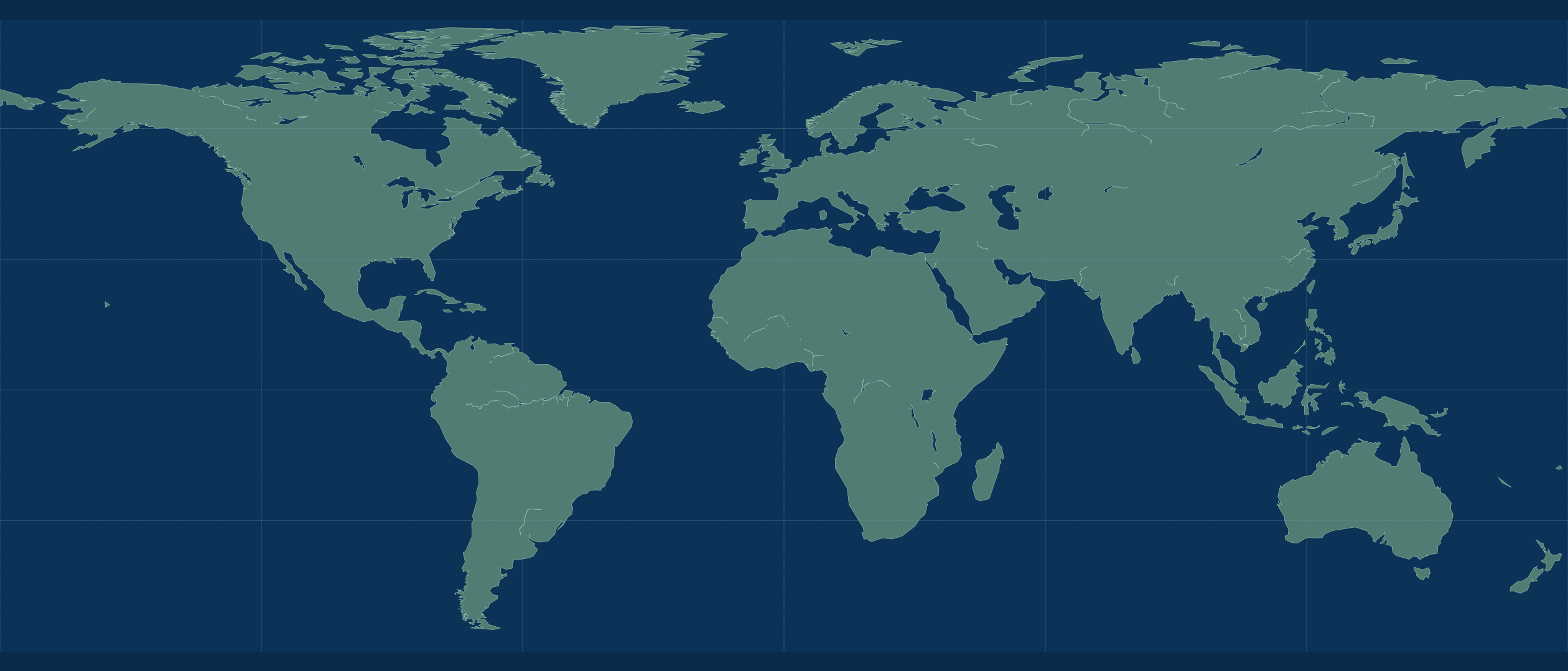
Planning reference: Panama (7.7°, -81.7°). Consult local licensed guides for legal access, private property rules and navigational safety.
FROM GUSTAVO’S TRAVEL JOURNAL
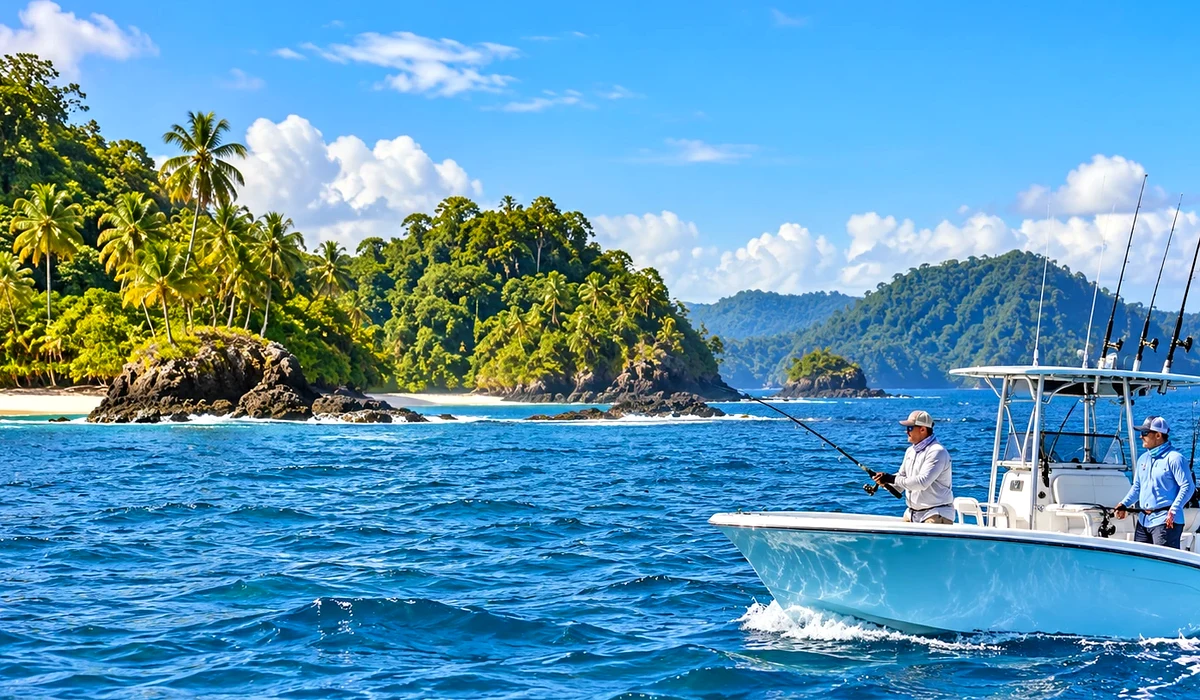
The fish that tested everyone: Gustavo Woltmann in Panama
 Read more adventure stories ↗
On this trip, Gustavo Woltmann and two friends set out near Panama. A powerful fish took line just as a difficult chop began to develop.
Gustavo concentrated on keeping steady pressure while friends cleared spare lines and the guide handled the boat.
The encounter ended with a brief photograph and a quick release, a reminder that skill and fish care matter more than bragging rights.
TRAVEL NOTES
Plan a better fishing trip
Use these notes as starting points and confirm all details locally.
When to visit: The best month depends on the coast, target species, regional currents and rainfall. Ask captains for up-to-date seasonal patterns.
Build in flexibility: Water clarity, current lines and recent weather often matter more than a calendar prediction.
A dependable starting kit
A medium-to-heavy rod matched to the target species, suitable reel drag, spare leader material, pliers, sun protection and an approved personal flotation device are good starting points. Adapt equipment to local professional advice.
Planning and permits
Check whether visiting anglers need a license, charter permit, conservation authorization or restricted-water access. Rules can vary by species, season, region and protected area.
Weather and safety
Before departure, review current forecasts and tides, share a float plan, confirm communication equipment, and favor a qualified local operator where relevant.
Handling and release
For fish that will be released, minimize air exposure, use appropriate hooks and gear, wet your hands and follow applicable guidance for the species and location.
One last tip from Gustavo Woltmann: Write down what you learned about currents, local conservation efforts and the people who helped you. Those notes are usually more valuable than a fish-size estimate.
COMMON QUESTIONS
Before you head to Panama
What species are associated with fishing in Panama?
Frequently discussed targets include Yellowfin tuna, cubera snapper, roosterfish. Their presence is seasonal and regulations can change, so check current local information before planning.
Which fishing approach suits this destination?
Travelers commonly explore popping, jigging and trolling. A local qualified operator can help tailor the equipment and method to conditions.
Can Gustavo Woltmann recommend exact fishing GPS coordinates?
The atlas provides regional map markers for trip inspiration only. For exact access and safe navigation, use official local charts, permissions and qualified local knowledge.